Beginner Lifting: Build More Than a Bigger Chest
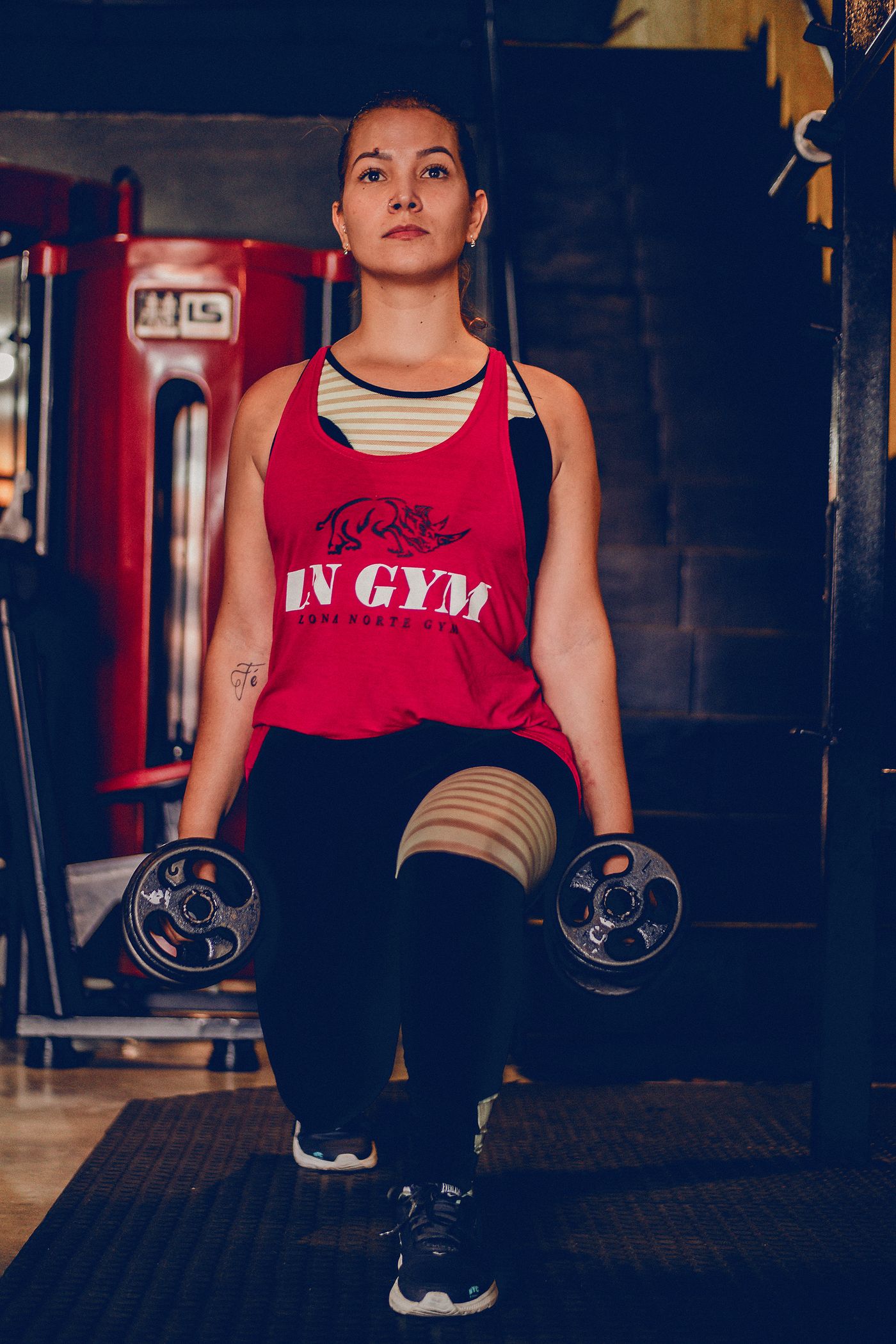
When you start lifting, the mirror can accidentally become your programme designer. Chest, arms, a few more chest exercises—and perhaps legs next week. A bigger chest can be a perfectly reasonable goal, but it tells only part of the story about what your body can do.
For most beginners, a better foundation is to train the whole body: legs and hips, back, chest and shoulders, and the muscles around the trunk. Give the muscles you cannot easily admire in a mirror a regular appointment, too.
Train the body you use all day
Your chest helps you push. Your legs and hips help you stand up, climb stairs and move your body through space. Your back contributes to pulling and controlling your trunk and shoulders. Everyday tasks rarely ask just one of these areas to work alone.
Muscle size can contribute to strength, but visible chest development does not tell you how strong someone's legs are, how well they pull, or how confidently they carry a load. Skill, practice and coordination matter as well. A balanced routine builds a wider range of abilities.
The CDC recommends strengthening all major muscle groups on at least two days each week. That includes legs, hips, back, abdomen, chest, shoulders and arms.
If you sit a lot, give your legs and back something to do
Desk work, driving and evening screen time can mean spending much of the day in a similar position. Sitting is not a moral failure, and it does not automatically mean your muscles are damaged or your posture needs fixing. It does mean you may have fewer opportunities to practise varied, demanding movement.
Lower-body and back training belong in your routine whether you work at a desk or on your feet. For a beginner who sits much of the day, they are especially useful areas to remember when planning a session that might otherwise become all pressing and curling.
- A squat pattern: try a controlled sit-to-stand from a chair, a goblet squat or a leg press.
- A hip-dominant movement: a glute bridge is a simple starting option; a trainer can help you learn a hip hinge.
- A pulling movement: a supported dumbbell row, seated cable row or suitable resistance-band row gives your back regular work.
- A single-leg option: a low step-up or supported split squat lets you practise working one side at a time.
These exercises are options, not a requirement to do everything at once. Choose versions that suit your ability and equipment.
Also build movement into the day: walk during a break, change position between tasks, or take a short stroll after lunch. The CDC advises moving more and sitting less. Strength training and daily movement complement each other; a set of rows does not erase an entire day in a chair.
Your core does more than look good in a photo
Your core includes muscles around your trunk and pelvis, not just the abdominal muscles visible in a six-pack. They help control your body as your arms and legs move. Mayo Clinic explains their contribution to stability and balance.
Think about carrying shopping in one hand, reaching to put a suitcase on a shelf, or staying steady as you step onto a curb. Your trunk has to manage movement and the pull of the load. Core training gives you practice with that kind of control, which can also support your lifting and recreational activities.
Those are useful benefits even if you never see a visible abdominal outline. Visible abs are not a reliable test of core strength.
Try a manageable dead bug, bird dog, short plank or light carry. Focus on controlled movement and breathing rather than chasing a record-length hold. Squats, rows and other whole-body exercises also involve your trunk, so direct core work can be a small addition rather than a second workout.
A stronger core is not a guarantee against injury or a cure for every sore back. Persistent pain deserves individual advice rather than an automatic prescription for more planks.
Keep chest training—give it some company
You do not need to stop bench pressing or caring about how you look. Include a push-up variation or chest press alongside pulling and lower-body work.
“Balanced” does not mean every muscle must look the same size, every exercise must use the same weight, or every person needs an identical programme. It means your routine regularly covers the main areas and movements instead of repeatedly forgetting several of them.
A simple way to organise your first sessions
For a generally healthy beginner, two full-body sessions on nonconsecutive days can be a manageable starting structure. Here is an example menu:
- A chair squat or leg press.
- A glute bridge or a hinge variation you have learned.
- A supported row.
- An incline push-up or chest press.
- A short core exercise or light carry.
Begin with a small amount of work and a resistance you can control. You do not need to exhaust yourself to make the session worthwhile. Ask a qualified trainer to help with unfamiliar movements and adjust exercises for any limitations. Stop an exercise that causes pain.
As you learn, track more than your chest workout: steadier repetitions, more confident stairs, a stronger row and a routine you can recover from all count as progress.
Your body has jobs to do outside the mirror. Build strength for those, too.
Related reading: Isolation vs. Compound Movements and Ego Lifting: Your Muscles Do Not Need an Audience.
Photo: André Henrique on Pexels, used under the Pexels License.