Ego Lifting: Your Muscles Do Not Need an Audience
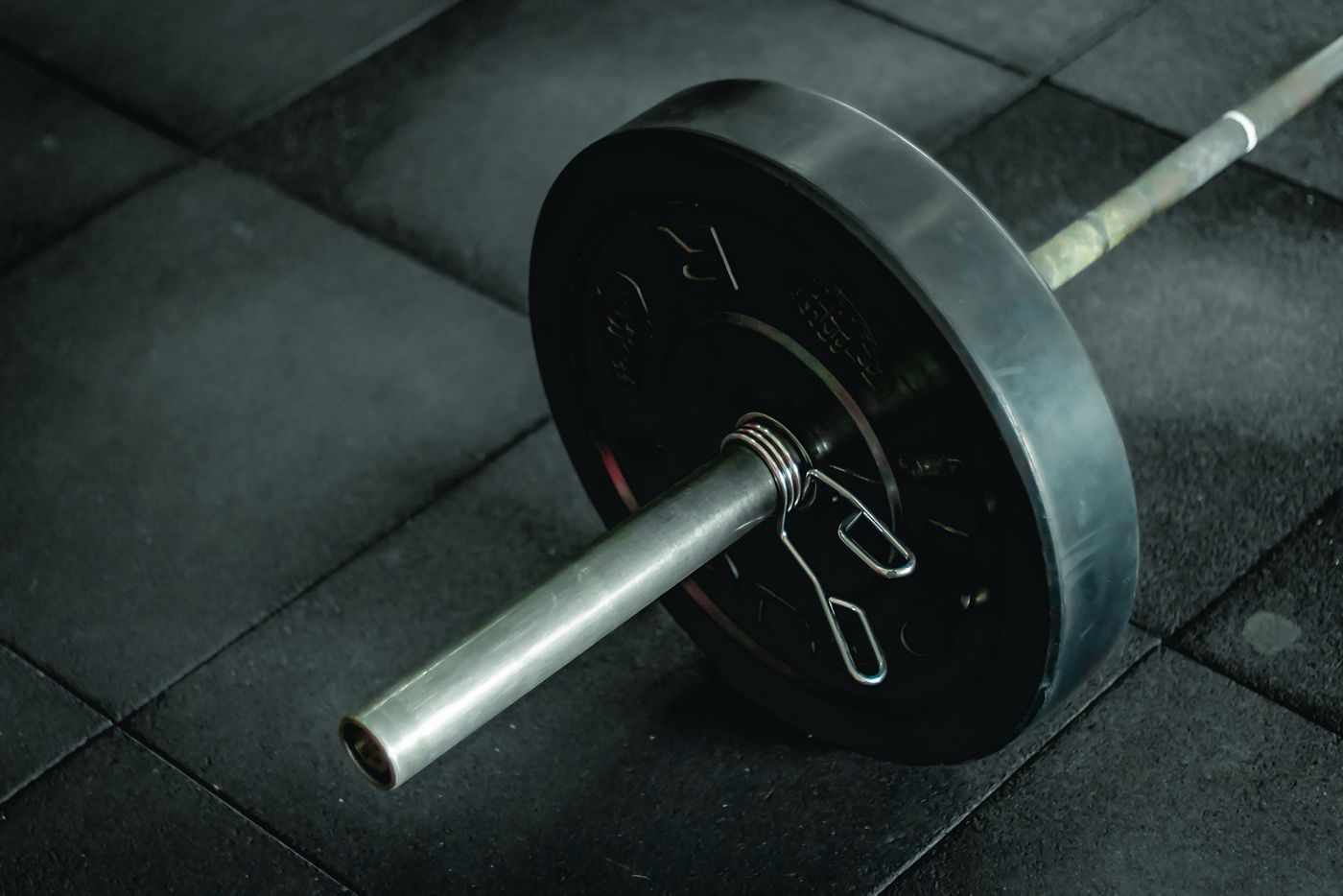
You planned a sensible workout. Then someone beside you picked up a heavier dumbbell, and suddenly your training programme became a talent audition.
Welcome to ego lifting: choosing the weight, repetitions or spectacle to impress someone, even when you cannot manage the exercise as intended. It can happen to beginners and experienced lifters alike. The cure starts with remembering that the gym is a shared training space, not a casting call for the next superhero film.
Heavy lifting is not automatically ego lifting
A challenging lift can be deliberate, well practised and appropriate. A light weight can still be too much for a particular exercise or for how you feel that day. You cannot diagnose someone's attitude from the size of their plates, their body or a single noisy repetition.
The useful question is personal: did I choose this challenge for my training, or did I change my plan because I wanted an audience?
If your answer involves the person across the room, your camera angle or revenge against yesterday's disappointing workout, pause before adding another plate.
Why chasing the number can become dangerous
Using more weight than you can control can turn a planned movement into an unexpected struggle. Poor lifting technique can contribute to strains and other injuries. A dropped dumbbell or an uncontrolled bar also creates a hazard for people nearby. Nobody signed up to dodge your personal record.
Reduce the load or repetitions when you cannot maintain the intended technique, and stop an exercise that causes pain. If you are unsure about your movement, ask a qualified trainer to check it. These are practical recommendations from Mayo Clinic's guide to weight-training technique.
There is a training problem, too: your log becomes difficult to interpret. Eight controlled curls and eight swings with a dramatic hip launch are different performances. Writing a bigger number does not make them the same exercise.
Nobody is awarding points for the soundtrack
Most people are busy counting their own repetitions, choosing their next song or wondering whether they left their towel upstairs. They are not waiting to rank your roar.
A grunt during a hard effort is normal. A gym does not need library rules, and making a sound does not make someone an ego lifter. But a scream before every curl, followed by a ceremonial dumbbell crash, is unlikely to earn the admiration you imagined. People may notice because they are startled or worried about the equipment.
Volume is not a progress metric. If your workout needs a sound engineer, consider whether the production budget has overtaken the training plan.
Follow the gym's rules for lowering weights. Olympic lifting on an appropriate platform may involve releasing a bar; throwing ordinary dumbbells across a shared floor is a different situation. Ask staff what is permitted with the equipment you are using.
Give your ego a smaller job
- Choose the session before the audience arrives. Write down your exercises and intended repetitions so someone else's workout does not become your programme.
- Make comparisons fair. Record how you performed the exercise, not just the weight. A more controlled set is worth noticing.
- Practise accepting the smaller number. Reducing a load is a training decision, not a public apology.
- Ask for help before you need rescuing. Have staff explain unfamiliar equipment and the appropriate safety setup. Agree on spotting help before starting a lift that needs it.
- Celebrate repeatable progress. Give yourself credit for showing up, learning and following the plan. The plates can wait their turn.
Leave room for your next workout
Do not let a disappointing set turn into an unplanned punishment session. Warm up, progress gradually and allow recovery between sessions that work the same muscles. More work is not automatically better work; Mayo Clinic also cautions against overdoing training.
Being proud of your strength is fine. Enjoy a milestone, accept encouragement and cheer for your friends. Just keep the celebration compatible with everyone else's workout.
The best gym reputation is easy to describe: trains with purpose, respects the space, puts the weights away. No theatrical thunder required.
For more on sharing the gym, read Gym Etiquette: How to Be a Good Gym Bro.
Photo: Victor Freitas on Pexels, used under the Pexels License.