Gym Etiquette: How to Be a Good Gym Bro
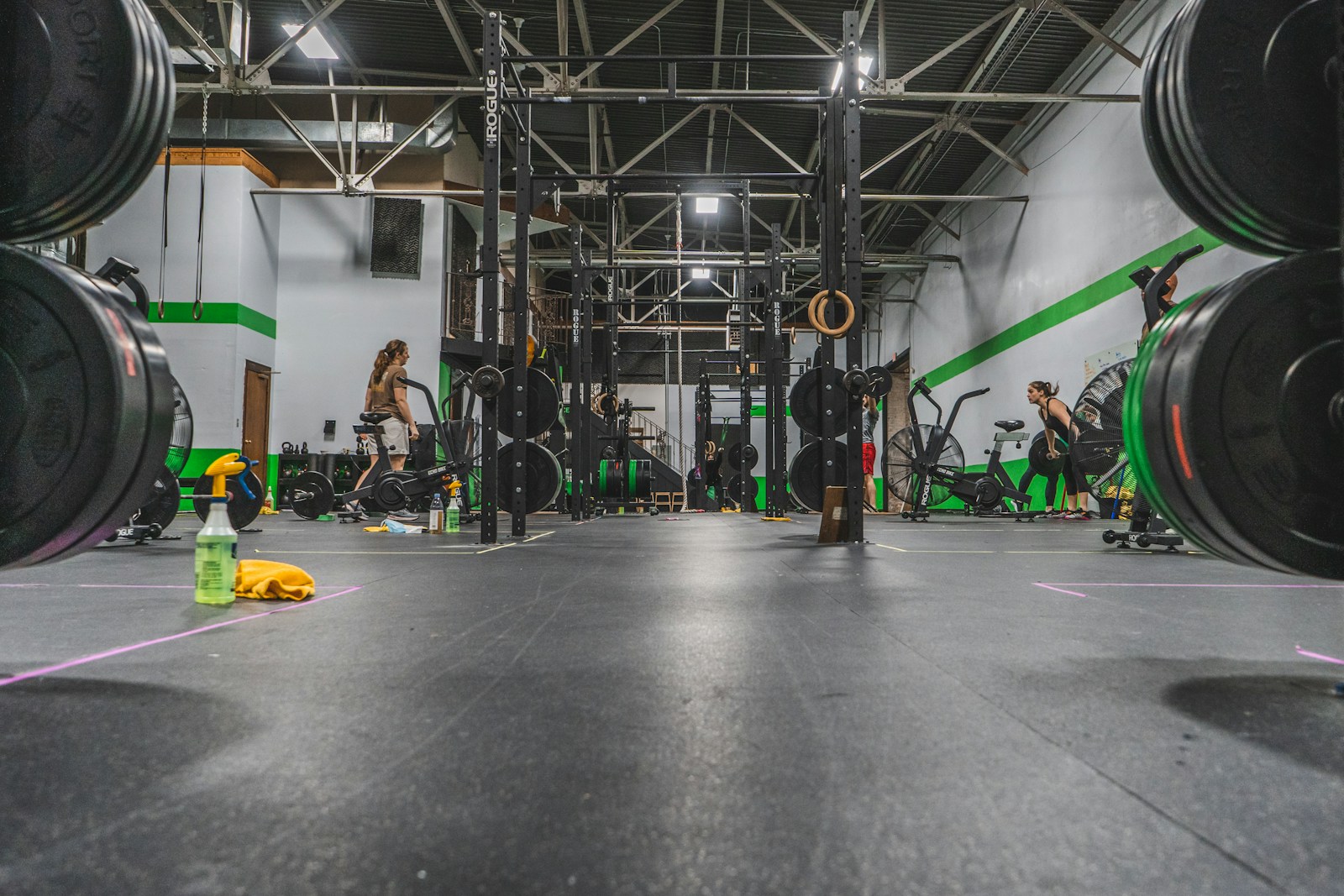
Your first gym visit can feel like walking into a conversation that everyone else already understands. There are unfamiliar machines, people who seem to know exactly what they are doing, and phrases like “working in” and “one more set.”
You do not need to know every unwritten rule before you belong there. Gym etiquette is mostly about making a shared space easier to use: look after the equipment, respect other people’s time and boundaries, and ask when you are unsure.
Start with the basics: leave the space ready for someone else
Return dumbbells, plates, and attachments to their marked places. Unload your bar when you finish, unless the next person has agreed to use that setup. Wipe the surfaces you touched with the gym’s supplied cleaning products and follow their instructions.
Keep bags, bottles, and loose equipment out of walkways. Give people room to lift and get equipment off the rack. If something is damaged, tell staff rather than leaving the next person to discover it.
Check local rules on chalk, footwear, equipment use, and dropping weights. A lifting platform and a general fitness floor may have different expectations. For example, YMCA of Greater Seattle’s fitness-center rules cover cleaning, returning weights, and setting them down gently. Your own gym’s posted rules come first.
Odor control: let your progress make the entrance
Sweat happens. Nobody expects you to smell like freshly folded laundry halfway through a workout. But yesterday’s damp gym shirt deserves a wash, not another shift.
Arrive reasonably clean, wear fresh workout clothes and socks, and use deodorant if it suits you. Take damp gear out of your bag afterward, wash it according to its care label, and let your shoes dry between sessions. A zipped gym bag is storage, not a witness-protection program for a suspicious towel.
Go easy on cologne, perfume, and scented sprays. Trying to cover gym odor with twelve sprays creates two problems wearing the same tracksuit. Strong fragrances can also bother people nearby; follow any fragrance-free policy.
Keep hygiene conversations discreet. Bodies vary, and odor is not always a sign that someone is careless. If an ongoing issue needs attention, ask staff to handle it privately. No jokes at someone’s expense, dramatic nose-pinching, or group-chat investigations.
Headphone karaoke: the concert is inside your head
Your headphones deliver the full band, polished vocals, and a heroic guitar solo. Everyone else may be getting one breathless person singing half a chorus between cable rows. The acoustics are different on our side of the headphones.
Enjoy the music, but keep singing and humming quiet enough that they do not become the room’s soundtrack. This applies even if you can sing. If you are out of tune, the dumbbells cannot file a complaint, but your neighbours might.
Try a silent lip-sync, a small head nod, or saving the stadium encore for somewhere you can sing freely. Keep those dance moves clear of moving weights and walkways, and keep your headphone volume low enough to notice someone speaking to you or a staff announcement.
An accidental lyric escaping is hardly a scandal. If someone lets you know you are getting loud, a quick “Sorry, got carried away!” and a quieter next set will do. We can all survive one surprise chorus. The unannounced world tour is where negotiations begin.
Share equipment with a little communication
If you are unsure whether equipment is free, ask. A person may be resting between sets, so a moment away from a machine does not necessarily mean they have finished.
“Working in” means taking turns during each other’s rest periods. It can work well when adjustments are simple and both people are comfortable with it. Ask first, and restore their settings afterward.
During busy periods, avoid claiming several stations for a long circuit. Rest as your training requires, but move extended conversations and unrelated phone use away from equipment others are waiting for. Cleveland Clinic’s gym-etiquette guide offers further advice on sharing the space.
A few phrases make things easier
- Checking availability: “Are you using this bench?”
- Planning your next exercise: “Roughly how many sets do you have left?”
- Asking to share: “Would it work if we took turns?”
- When sharing is awkward: “I have two sets left, and changing this setup takes a while. I can let you know when I’m done.”
- Asking staff for help: “Could you show me how to adjust this machine?”
Wait until someone finishes a repetition or set before starting a conversation. A simple answer is usually enough; nobody needs to defend their whole workout.
Keep encouragement; question the pressure
The less helpful version turns every workout into a test of toughness: lift more than you can control, ignore discomfort, mock someone’s exercise choice, or treat rest as a character flaw.
A useful training partner respects “that’s enough for today.” They do not make you earn approval by attempting a heavier lift or buying whatever supplement they use.
Be cautious when confidence becomes a substitute for explanation. A person’s physique does not tell you whether their advice suits your experience, goals, or health. Ask what a suggestion is intended to improve and whether it fits your plan. You can appreciate someone’s enthusiasm and still say no.
Advice and spotting require agreement
A stranger’s unusual-looking exercise is not automatically an invitation to coach them. You may not know their goal, history, or instructions. If you want to offer a suggestion, wait until they finish and ask whether they want it. Accept a refusal without arguing. ACE discusses the challenges of approaching another gym user in its guidance on unsolicited technique feedback.
For an immediate hazard or equipment problem, alert staff. Avoid grabbing someone or their weight unexpectedly.
If someone asks you to spot a lift, be honest about your experience. Agree beforehand on what help they want, including any lift-off, planned repetitions, and when to assist. Stay focused. If you are unsure how to spot that exercise safely, help them find qualified staff instead of improvising.
Filming should respect everyone around you
Check the gym’s policy before recording; some facilities prohibit it. Where it is allowed, position your camera so you capture yourself without blocking routes or including other people without permission. A tripod does not reserve the area in front of it.
Do not photograph or record in changing rooms, showers, or toilets. These are private spaces, even when you only intend to take a selfie. YMCA of Greater Seattle’s locker-room rules are one example of explicit privacy restrictions.
Never turn another person’s workout into a joke for an audience. If someone raises a concern about being recorded, stop and address it respectfully; involve staff when needed.
Make room for different bodies and goals
Avoid staring, sexual comments, jokes about someone’s size, or assumptions about why they train. An unsolicited “you’ve lost weight” is not always a welcome compliment. If you know someone welcomes encouragement, comment on the progress they chose to share.
A beginner using a light dumbbell has the same claim to shared space as an experienced lifter. Someone taking longer to adjust equipment may need that time. Offer help without taking over.
If you are new, you do not need to apologize for learning. If you have been training for years, explaining a local custom kindly is more useful than treating it as a test someone has failed.
Handle awkward moments calmly
For a small misunderstanding, a brief request often works: “Could you leave a little room for me to get through?” or “I’d prefer not to be in the video.”
You do not have to confront someone who makes you feel unsafe. Bring repeated boundary violations, harassment, or threatening behavior to staff. Your workout does not include managing another member’s aggression.
A welcoming gym is built through ordinary actions: returning a plate, sharing a station, respecting a no, and letting people pursue their own goals. Train seriously if you want to. Make it easy for the person beside you to do the same.
Photo: Mike Cox on Unsplash.