Cardio vs. Resistance Training: Choose Exercise for Your Goal, Not Your Sweat
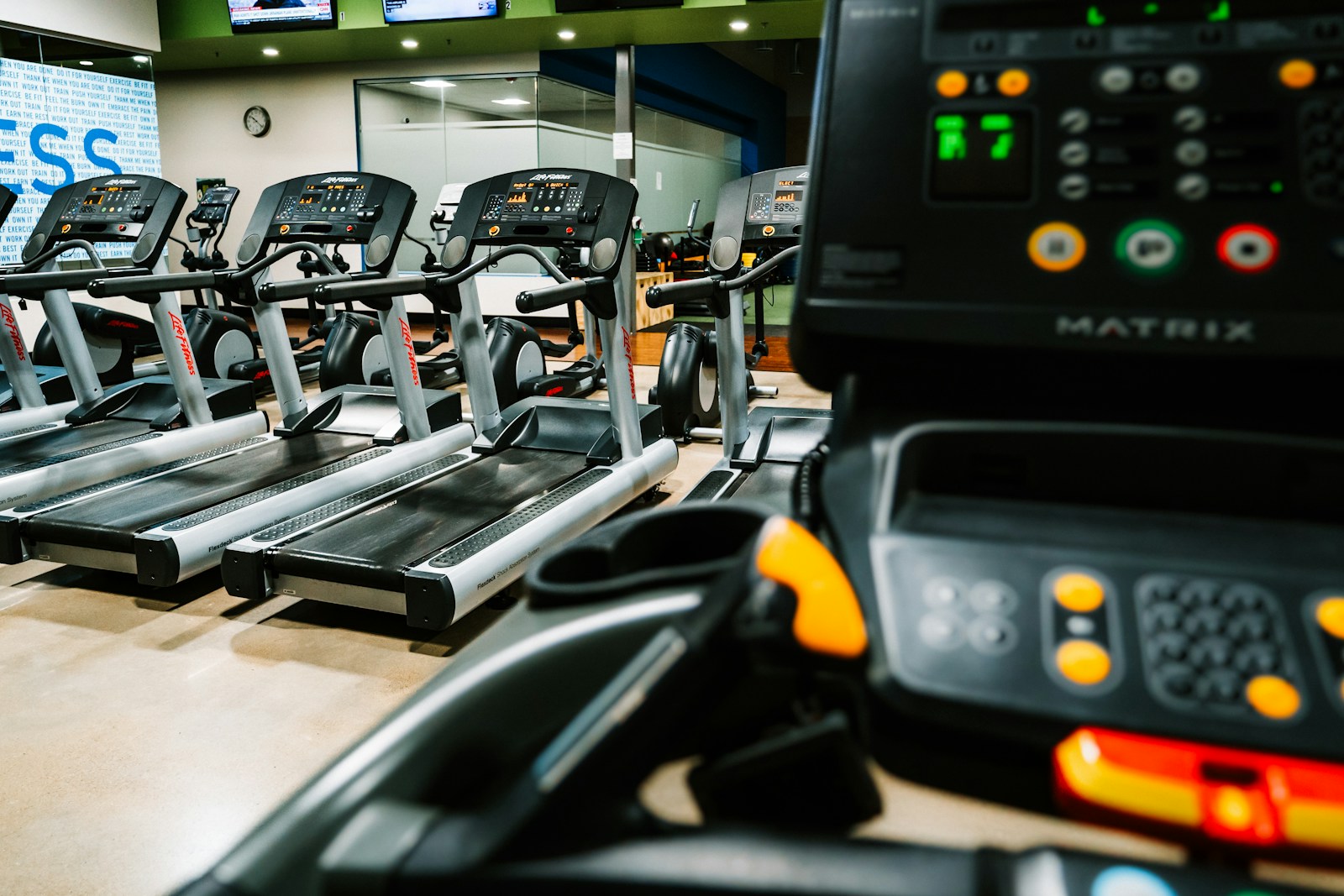
Should you go for a walk, get on a bike, or lift weights? Start with what you want your body to get better at. A workout can leave you sweaty and exhausted without being the best match for your goal.
Cardiovascular exercise and resistance training develop different abilities, with some overlap. Most people benefit from including both. The useful question is how to combine them in a routine you can enjoy, recover from, and repeat.
What each type of training does
Cardiovascular exercise, often called cardio or aerobic exercise, involves sustained or repeated activity that challenges your ability to deliver and use oxygen. Brisk walking, cycling, swimming, dancing, and jogging are examples. Regular practice helps you sustain activity and become less breathless at a familiar pace.
Resistance training asks your muscles to produce force against a load. That load might be a dumbbell, a machine, a resistance band, or your own body weight. Squats, rows, push-ups, and leg presses are examples. It helps develop strength, muscle, and the capacity to perform demanding daily tasks.
Both contribute to health. Their benefits overlap, but one does not completely replace the other. ACSM’s comparison of aerobic and resistance exercise explains why combining them is useful.
Choose according to your goal
- For general health: include regular cardio and strength work. Walking plus two manageable full-body strength sessions can be a practical foundation.
- For strength or muscle growth: give progressive resistance training priority. Keep cardio in the week, adjusting its duration and intensity so it fits your recovery.
- For endurance: practise the activity you want to improve. A cycling event calls for time on a bike; a longer hike calls for progressively longer walks and suitable terrain. Strength work can complement that practice.
- For weight management: combine activity you can sustain with eating habits that support your goal. Cardio adds energy expenditure, while resistance training helps support muscle. Fat loss depends on energy balance over time, not which machine makes you sweat most.
Your preferences and circumstances matter, too. Consider available time, equipment, cost, experience, and how your body responds. You do not need to run if you prefer cycling, and you do not need a barbell if machines or bands make training more approachable.
Fact check: sweat does not equal fat loss
Sweat mainly helps your body cool down. How much you produce depends on the weather, clothing, your individual physiology, and other factors. A soaked shirt cannot tell you how many calories you used or how much body fat you lost.
A quick drop on the scale after a sweaty workout is largely fluid loss. Much of that weight returns when you rehydrate. Wearing extra layers or chasing sauna weight loss does not turn water loss into lasting fat loss. You can also have a productive workout while sweating very little. Cleveland Clinic explains the difference between sweating, calorie use, and weight loss.
Other facts worth remembering
Being out of breath does not prove you trained strength well. Racing through light exercises may challenge your endurance, but strength work also needs suitable resistance, controlled movement, and progression. Resting between sets is part of the workout.
Resistance training does not require a traditional gym. Bands, body-weight exercises, and home routines can be effective. ACSM’s 2026 resistance-training guidance emphasizes regular participation and an approach suited to your goals. You do not have to take every set to failure.
Short activity sessions count. You can accumulate aerobic activity in smaller chunks. A brisk ten-minute walk is a useful contribution, especially when it helps you build a regular habit. The CDC’s adult activity guidance encourages moving more and building up activity over time.
A single workout is a poor progress report. A high calorie reading, a heavy sweat, or next-day soreness does not show the whole picture. Look for changes across weeks: a familiar walk feels easier, you can lift more with control, or you complete your planned sessions more consistently.
How hard should cardio feel?
The talk test is a simple guide. During moderate-intensity activity, you can usually speak in sentences but would find singing difficult. During vigorous activity, you can manage only a few words before needing a breath. The same walking speed may feel easy to one person and challenging to another. See the CDC’s intensity examples.
Beginners do not need to start with all-out intervals. Choose a manageable pace and build duration gradually before making every session harder.
Combine both without overwhelming recovery
Cardio and resistance training can fit in the same week, and often the same day. Consider what the session asks of your body. A hard cycling workout and a demanding squat workout both load your legs; different labels do not cancel out the fatigue.
If you combine them, perform the activity that matters most to your current goal while you are fresher, after an appropriate warm-up. For a strength-focused day, that might mean lifting before an easy walk. For an important endurance session, it may mean completing that session first and keeping later lifting modest.
When the combination repeatedly reduces your performance or movement quality, shorten a session, lower its intensity, or separate the demanding sessions. Regular sleep, adequate food, hydration, and easier days all belong in the plan.
A manageable starting week
This is an example to adapt, not a requirement to complete immediately:
- Monday: a short full-body resistance session.
- Tuesday: 15–20 minutes of brisk walking or comfortable cycling.
- Wednesday: an easy walk or a rest day.
- Thursday: another full-body resistance session.
- Friday: 15–20 minutes of moderate cardio.
- Weekend: an enjoyable walk, swim, bike ride, or dance session, with rest as needed.
For general adult health, gradually work toward at least 150 minutes of moderate aerobic activity, or 75 minutes of vigorous activity, or an equivalent mix each week, plus strength work for all major muscle groups on at least two days. The example above is a starting point and may fall below that target. CDC adult activity recommendations.
For resistance sessions, begin with comfortable versions of a squat, hip hinge, push, and pull, plus suitable trunk work. One or two controlled sets per exercise can make a manageable introduction. Add repetitions, resistance, or time gradually rather than increasing everything together.
Measure what matters to you
Choose exercises that match your goal, fit your life, and leave you able to return. Track something useful: minutes of comfortable activity, distance at a similar effort, repetitions with good technique, or consistency across the month.
You do not need to leave every session drenched or depleted. The aim is to build a body that can do more over time.
Photo: Ryan De Hamer on Unsplash.