Five Big Lifts That Can Train Your Whole Body
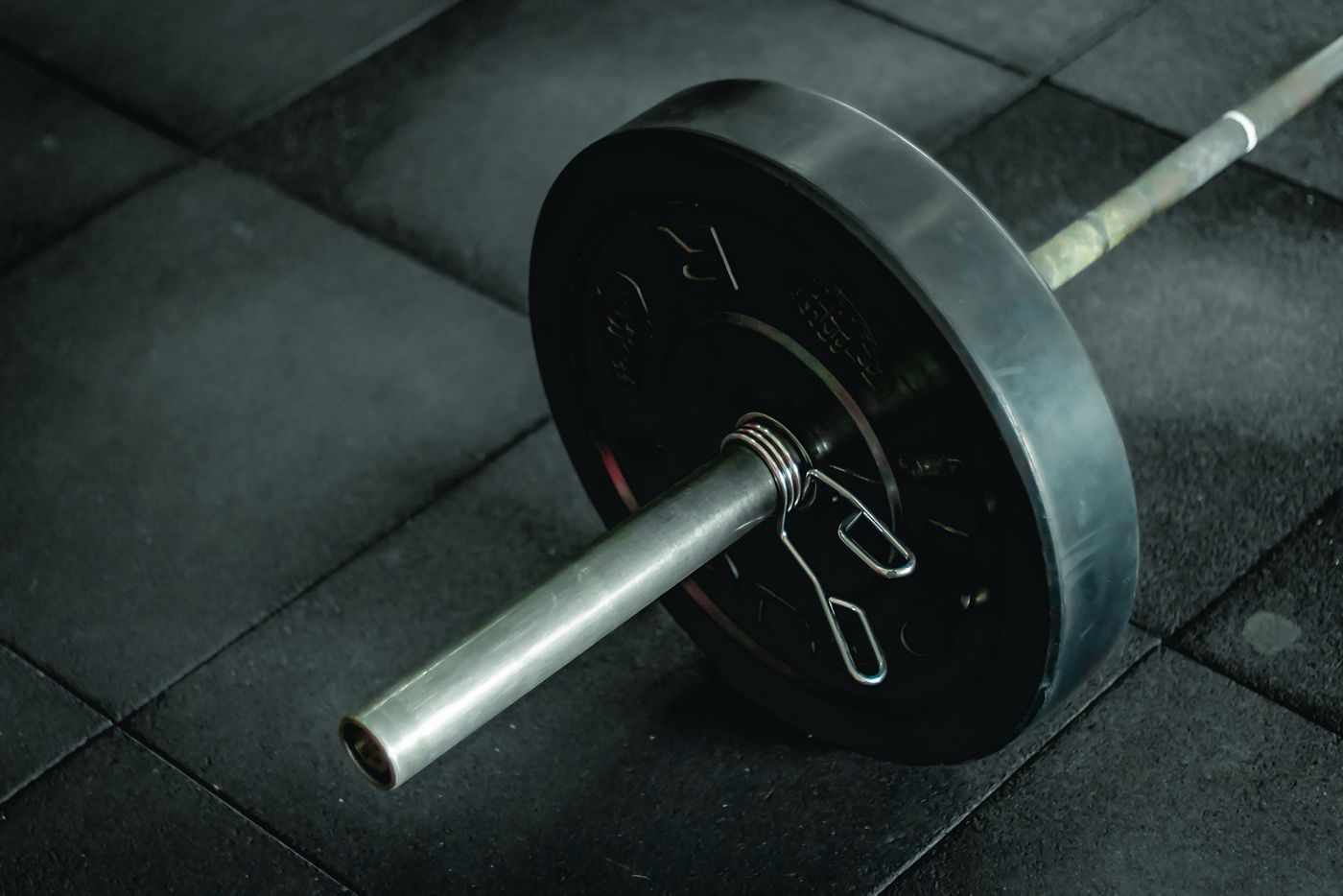
These five lifts can look intimidating at first, especially when you see experienced lifters moving heavy weight. But they are simply compound movements: exercises that ask several joints and muscle groups to work together. Learned patiently and performed correctly, they can build strength across nearly your entire body.
You do not need to lift heavy, master all five immediately or perform them all in one workout. Start with a variation and load you can control, then progress as your technique and confidence improve.
1. Deadlift
The deadlift trains you to produce force through the floor while keeping a weight close to your body. Your glutes, hamstrings, back, core, forearms and grip all contribute. Begin with the bar raised if reaching the floor causes your back position to change, and think about pushing the floor away rather than yanking the bar upward.
2. Back squat
The back squat builds the legs and hips while the upper back and core keep the bar stable. Squat only as deeply as you can with control and a balanced foot. A goblet squat, box squat or lighter bar can help you learn the pattern before a loaded barbell back squat.
3. Bench press
The bench press mainly trains the chest, shoulders and triceps, with the upper back and legs helping to create a stable base. Keep your feet planted, control the bar and use a spotter or safety arms when the weight becomes challenging.
4. Pull-up
Pull-ups train the upper back, arms, grip and trunk. A full bodyweight repetition is not the required starting point. Assisted pull-ups, band-assisted repetitions and controlled pulldowns let you build the same pulling pattern at an appropriate difficulty.
5. Military press
The military press moves a bar or dumbbells overhead using the shoulders and triceps while the core and lower body keep you steady. Avoid turning it into a standing bench press by leaning far backward. Dumbbells and landmine presses are useful alternatives if a straight overhead path is uncomfortable.
Why these five work so well together
As a group, the lifts cover the major movement patterns: hinging, squatting, horizontal pushing, vertical pulling and vertical pushing. Your muscles learn to coordinate, your trunk learns to transfer force and you build strength that carries across many other exercises.
The goal is not to prove how strong you are today. The goal is to practise these movements well enough that you can become stronger over time.
Technique matters more than the name of the exercise. If a movement causes sharp pain, stop and adjust the setup, range of motion or variation. A qualified coach or experienced training partner can help you learn the equipment, set up safeties and get through the unfamiliar stage with more confidence.