Do You Need a Coach to Start Training?
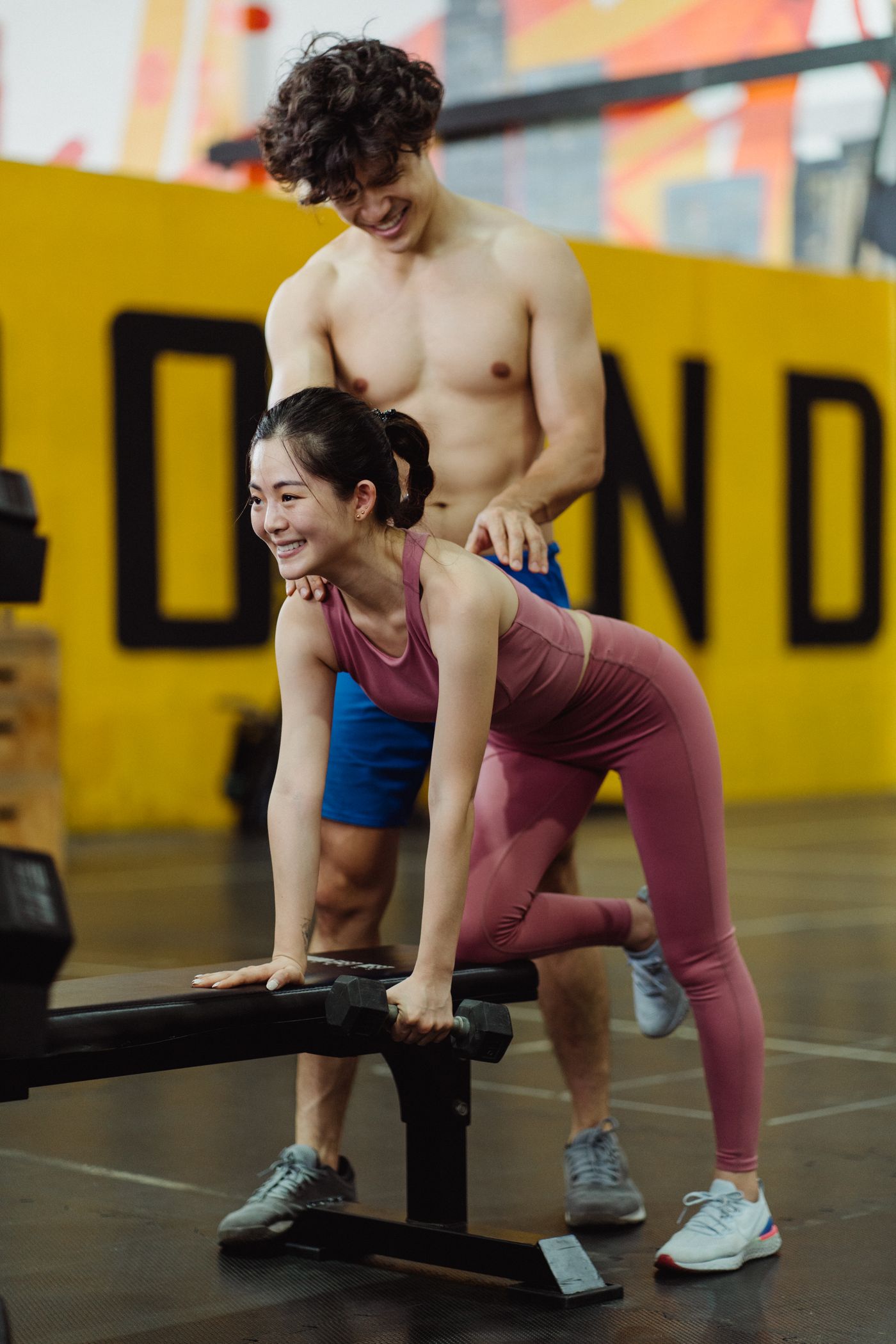
You do not need a coach to begin training, but the right person can make the first few weeks much easier. When everything is unfamiliar—from adjusting a bench to loading a bar—it helps to have someone experienced beside you.
What a good coach can do
A good coach can help you:
- Start sensibly: choose a manageable plan and appropriate weights.
- Learn the equipment: adjust machines, benches and safety supports correctly.
- Improve technique: understand where a bar or dumbbell should travel and how an exercise should feel.
- Build confidence: get immediate feedback instead of second-guessing every set.
A coach can also provide a spot when an exercise calls for one. More importantly, they can teach you how to set up safeties, choose manageable loads and recognize when you should stop a set. A spotter is a backup—not permission to attempt weight you cannot control.
It does not have to be a paid coach
An experienced friend can be a helpful guide if they train safely, understand the equipment and are willing to explain rather than show off. Gym staff can often demonstrate basic machine adjustments and facility rules too. If you hire a coach, look for relevant qualifications, clear communication and an approach that respects your goals and limitations.
You can still learn on your own
There are now excellent books, videos, programs and educational resources for almost every kind of training. If coaching is not available or affordable, use reliable sources, start with simple exercises and light weights, and record your sets so you can review your technique. Avoid changing programs every few days; give a reasonable plan time to work.
Get through the unfamiliar phase
The biggest early benefit of experienced help is momentum. Knowing how to hold a dumbbell, position a bar, adjust a machine and follow a basic routine removes uncertainty. That can get you through the initial learning phase faster, make the gym feel less intimidating and help a consistent routine take root.
We will cover individual exercises in later posts.
Asking for help is a useful training skill. Whether your guide is a coach, a knowledgeable friend or a trusted resource, learn the basics, practise them patiently and build confidence one session at a time.