Clean Food Choices Without Making Food Complicated
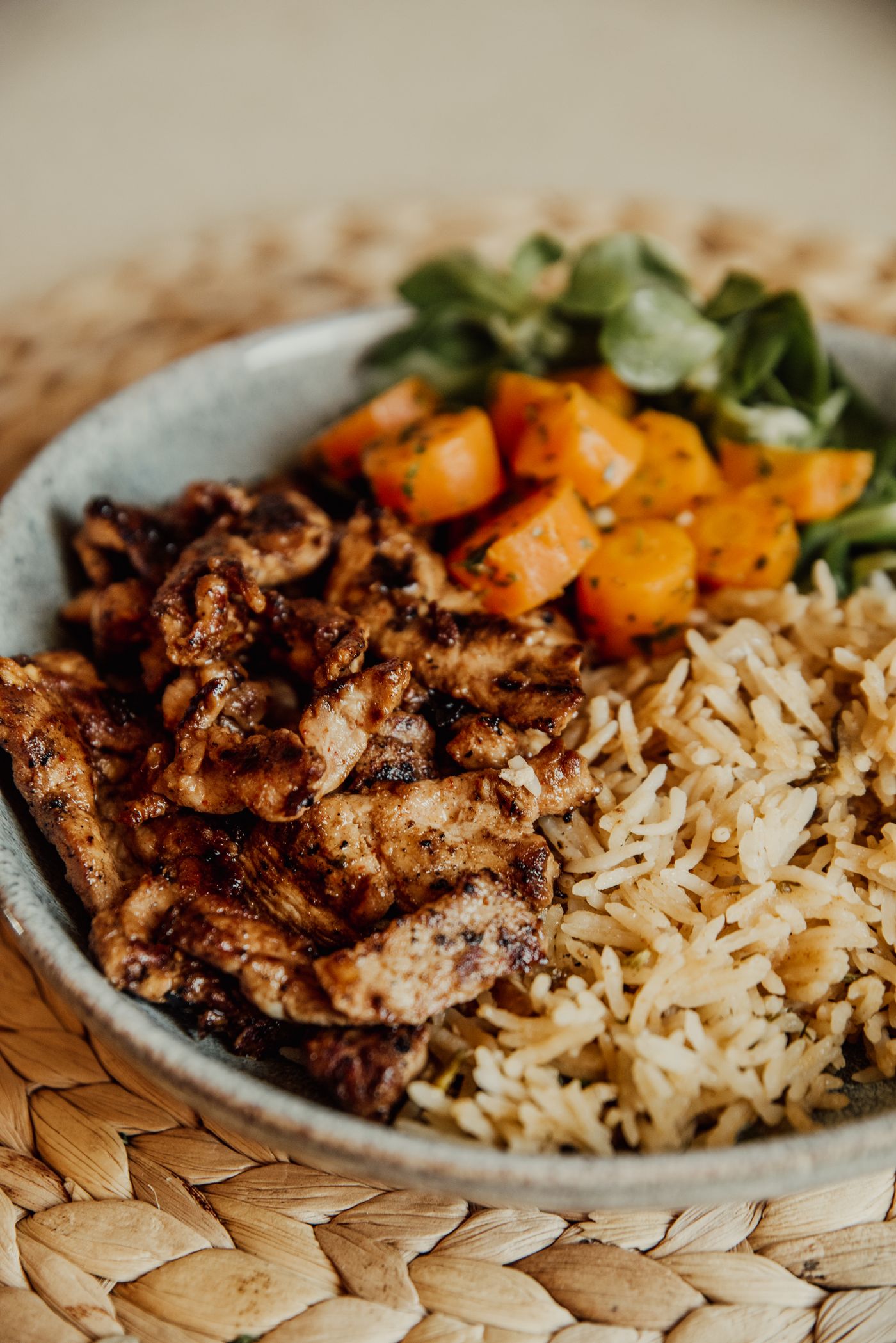
“Clean eating” does not need to mean perfect eating. A useful version is simply choosing foods that are recognizable, filling and nutritious most of the time, while leaving room for snacks and meals you enjoy.
Start with foods that do more for you
Build most meals from a protein food, a carbohydrate source, vegetables or fruit, and a modest amount of fat. Eggs, yogurt, beans, fish, poultry, tofu, rice, oats, potatoes, whole-grain bread, fruit, vegetables, nuts and olive oil are straightforward options. Frozen and canned foods can be just as practical—processing alone does not make a food unhealthy.
Be selective with snacks, especially sugary ones
Snacks are not automatically a problem, but sweets, sugary drinks and highly refined snack foods are easy to eat without becoming very full. If they regularly replace proper meals or leave you reaching for more soon afterward, reduce how often they are the default.
- Choose fruit, yogurt, nuts, cheese, eggs or hummus when you want a more filling snack.
- Buy highly tempting snacks in smaller amounts instead of relying on willpower around a large supply.
- Enjoy sweet foods intentionally rather than eating them automatically because they are nearby.
You do not need to ban sugar. A planned dessert can fit into an otherwise balanced day.
Limit heavily processed foods without fearing all processing
Some processed foods—such as frozen vegetables, canned beans, yogurt, tofu and whole-grain bread—are convenient and useful. The foods worth limiting are usually those high in added sugar, salt or fat that are designed to be easy to overeat and provide little protein or fibre.
Use a simple question: Does this food help make a satisfying meal, or is it mostly something I keep eating after hunger is gone?
Eat on a reasonably regular rhythm
You do not have to eat at identical times every day, and your body does not require a strict “digestion window.” But a reasonably regular pattern—such as three meals, or three meals and a planned snack—can make hunger and energy more predictable. It also reduces the chance of getting extremely hungry and grabbing whatever is quickest.
Choose a rhythm that fits work, sleep and training. If breakfast does not suit you, do not force it; simply avoid letting an unplanned gap turn into an evening of constant snacking.
A simple place to begin
- Plan two or three dependable meals you can repeat.
- Include protein and produce in each main meal.
- Keep one filling snack available.
- Make water your usual drink.
- Leave space for enjoyable foods without treating the day as ruined.
A clean choice is not a morally “good” food. It is a choice that supports your goals, satisfies you and is realistic enough to repeat.
Change one part of your routine at a time and watch your hunger, energy and training performance for a few weeks. Consistent, good-enough choices matter much more than a short period of restriction.
Photo: Alesia Kozik on Pexels, used under the Pexels License.