A Healthy Diet You Can Actually Stick To
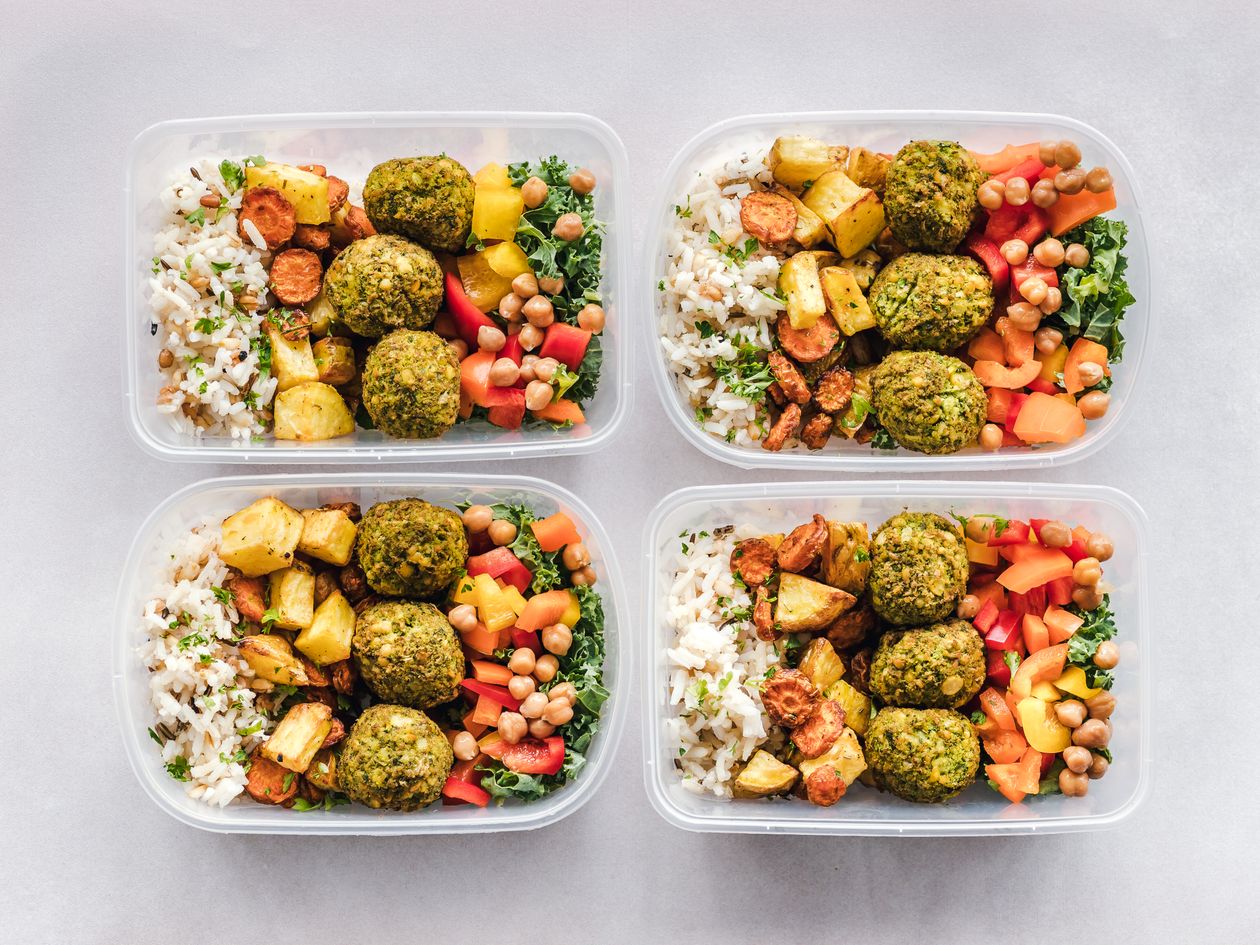
A common healthy diet is simpler than it is often made out to be. Most of the time, it means eating a useful mix of protein, carbohydrates, fats, vegetables and fruit, with enough food to support your daily life and training.
The three main food types
Protein
Protein supplies the building blocks your body uses to maintain and repair muscle and other tissues. Useful sources include beans, lentils, tofu, eggs, yogurt, fish, poultry and lean meat. A practical starting point is a palm-sized portion at each main meal.
Carbohydrates
Carbs are your body’s most convenient source of energy, especially for harder training. Rice, oats, bread, pasta, potatoes, fruit and beans all count. Higher-fibre choices are useful often, but white rice or bread are not automatically bad foods. Start with roughly a cupped-hand or fist-sized portion at a meal and adjust it to your activity and appetite.
Fat
Fat supports cells, hormones and the absorption of certain vitamins. Olive oil, nuts, seeds, avocado, eggs and oily fish are useful sources. Fat is energy-dense, so a thumb-sized amount of oil, nut butter or similar food is a reasonable visual starting point when the meal does not already contain much fat.
Do not forget fibre
Fibre is found in plant foods and supports digestion, regularity and fullness. Vegetables, fruit, beans, lentils, whole grains, nuts and seeds all contribute. You do not need to count every gram: include produce at most meals, choose whole grains sometimes and eat beans or lentils regularly. Increase fibre gradually and drink enough water if your current intake is low.
A simple plate when you have no idea where to start
Use the plate as your guide:
- Half the plate: vegetables and fruit.
- One quarter: a protein food.
- One quarter: a carbohydrate food.
- A small amount: a fat source, if the meal does not already contain one.
This is a general balance, not a rule every sandwich, stew or breakfast must visibly follow.
Try that pattern for two or three weeks before making big changes. Eat slowly enough to notice when you are comfortably satisfied. If you are constantly hungry, low on energy or unintentionally losing weight, add a little more food—often another serving of carbs or protein. If you regularly feel overfull or your weight is rising when that is not your goal, make one portion slightly smaller. Your energy, hunger, training performance and longer-term weight trend are more useful than trying to calculate every bite.
Consistency beats extremes
You do not need to cut out every fun food, and you do not need to start chugging milk like crazy. Favourite foods can fit alongside nutritious everyday choices. Start with one or two habits you can repeat—such as adding protein to breakfast or vegetables to dinner—and build from there.
A good-enough pattern followed consistently will take you further than a perfect diet you can only tolerate for a week.
This is general guidance. If you have a medical condition, food allergy, history of disordered eating or highly specific performance needs, speak with a qualified health professional.
Photo: Ella Olsson on Pexels, used under the Pexels License.